Software Engineering
<- Return to all blogs
-

Finding Changes on the Earth with Natural Language
We discuss our work with Natural Language Driven Geospatial Change Detection with Vector Embeddings. This technology builds on our ongoing development of generative AI and vision models that enables users to explore our world through natural language queries.
-
Finding Changes on the Earth with Natural Language
We discuss our work with Natural Language Driven Geospatial Change Detection with Vector Embeddings. This technology builds on our ongoing development of generative AI and vision models that enables users to explore our world through natural language queries.
-
Updating our Geospatial Technology Radar for 2024
We introduce the second iteration of our geospatial technology radar, which is designed as a resource for the community to outline impactful technologies in the space.

-
Tasking Sprint #3 Recap
The Berlin tasking sprint was a significant step forward in the documentation and details of the specification, while we also developed the foundation of an ecosystem to prove out STAPI.

-
Using Generative AI in AWS for the Federal Government
In this blog, we detail how to get started with Generative AI in your existing Federal Government cloud accounts.

-
Building a queryable Earth with vision-language foundation models
We take a close look at two such remarkable VLMs that have come out in the past few months and, using these models, we build a prototype “queryable Earth” functionality that allows retrieving images along with their geolocations using text queries over a large geographical area.

-
Using Kerchunk to make NOAA’s National Water Model Dataset more accessible
In this blog, we discuss our experience using Kerchunk to improve access times to short-range streamflow predictions generated by NOAA’s National Water Model Predictions Dataset, achieving a speedup of 4 times, using 16 times less memory.

-
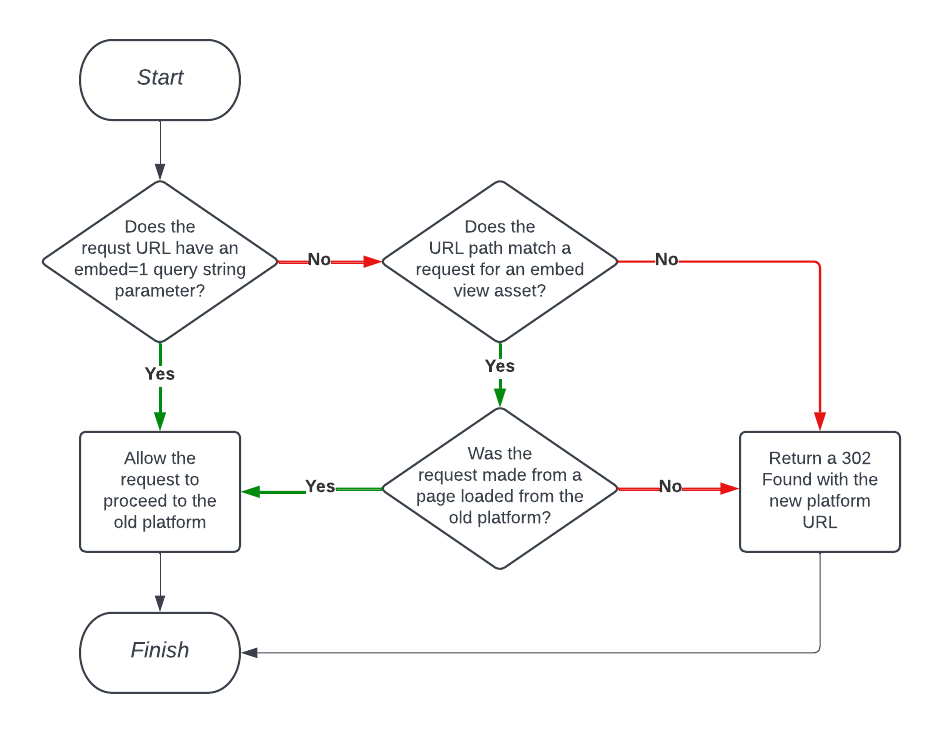
Using Amazon CloudFront Functions to Facilitate Smooth Project Transitions with Conditional Redirects
In this blog, we detail our experience making this project transition possible for our client by implementing conditional redirects via Amazon CloudFront functions.
-
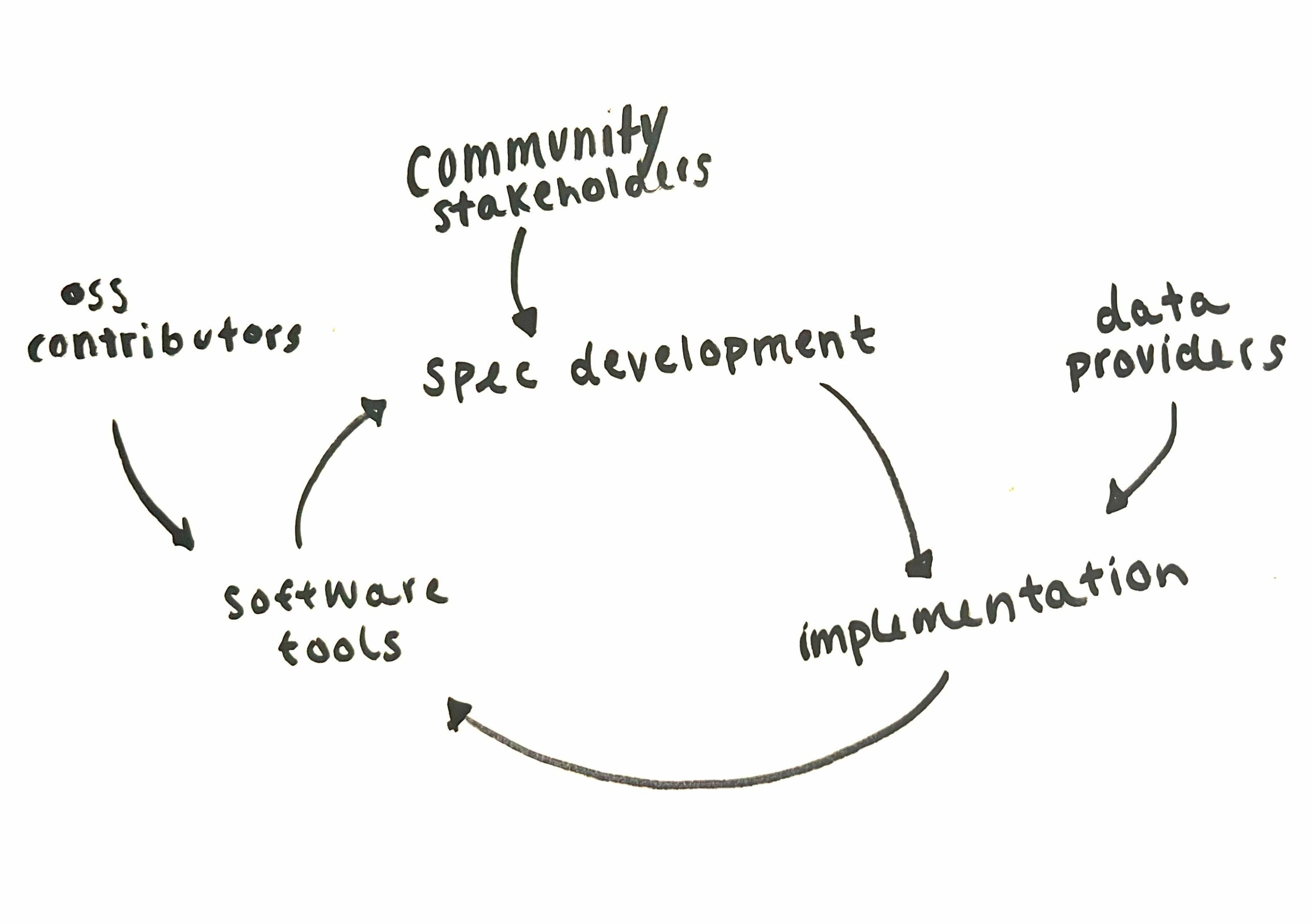
Modularization and Extensibility in Scientific Python
We discuss how modularization and extensibility serve to make the scientific Python ecosystem more accessible to users, and how this concept is reflected in STAC.
-
Introducing Raster Vision v0.21
In this post we highlight the major changes rolled out in the latest update of Raster Vision, our open-source ML library.
-
The stactools Raster Footprint Utility
In this post we provide the context necessary for readers to create accurate raster footprints for use in their STAC metadata.